
Just imagine. You’ve finally finished the day’s to-do list (or at least shoved it under a cushion where it can’t glare at you), you’ve got a warm bath waiting, a proper bar of soap at the ready, and the scent drifting through the air makes your shoulders drop an inch.
Lovely, isn’t it?
But have you ever wondered why certain fragrances make you feel calmer, happier or more relaxed?
It’s not necessarily just your imagination. Our sense of smell is closely connected to parts of the brain involved in emotion and memory, which helps explain why a particular fragrance can instantly remind us of a person, a place or a happy moment.
And researchers have been investigating whether some scents might actually help us feel less stressed.
The results are interesting, although it’s worth remembering that aromatherapy isn’t a miracle cure, and what one person finds wonderfully relaxing might make somebody else wrinkle their nose in disgust.
So, here are five fragrances worth exploring when you fancy a little downtime.
1. Lavender: The classic calmer
If relaxation had a mascot, it would probably be lavender.
It’s one of the most widely studied fragrances in aromatherapy, and some research suggests that inhaling lavender essential oil may help reduce feelings of anxiety and promote relaxation.
There have even been studies involving patients awaiting medical procedures, where lavender aromatherapy has been associated with reduced anxiety.
Does that mean one sniff will instantly send you off to sleep? Sadly not. But if you enjoy lavender, incorporating the fragrance into your evening routine might help make bedtime feel a little more peaceful.
How to enjoy it
- A warm bath with a lavender-scented soap
- A few drops of lavender essential oil on your pillow before bed
- A little lavender skin cream as part of your evening routine
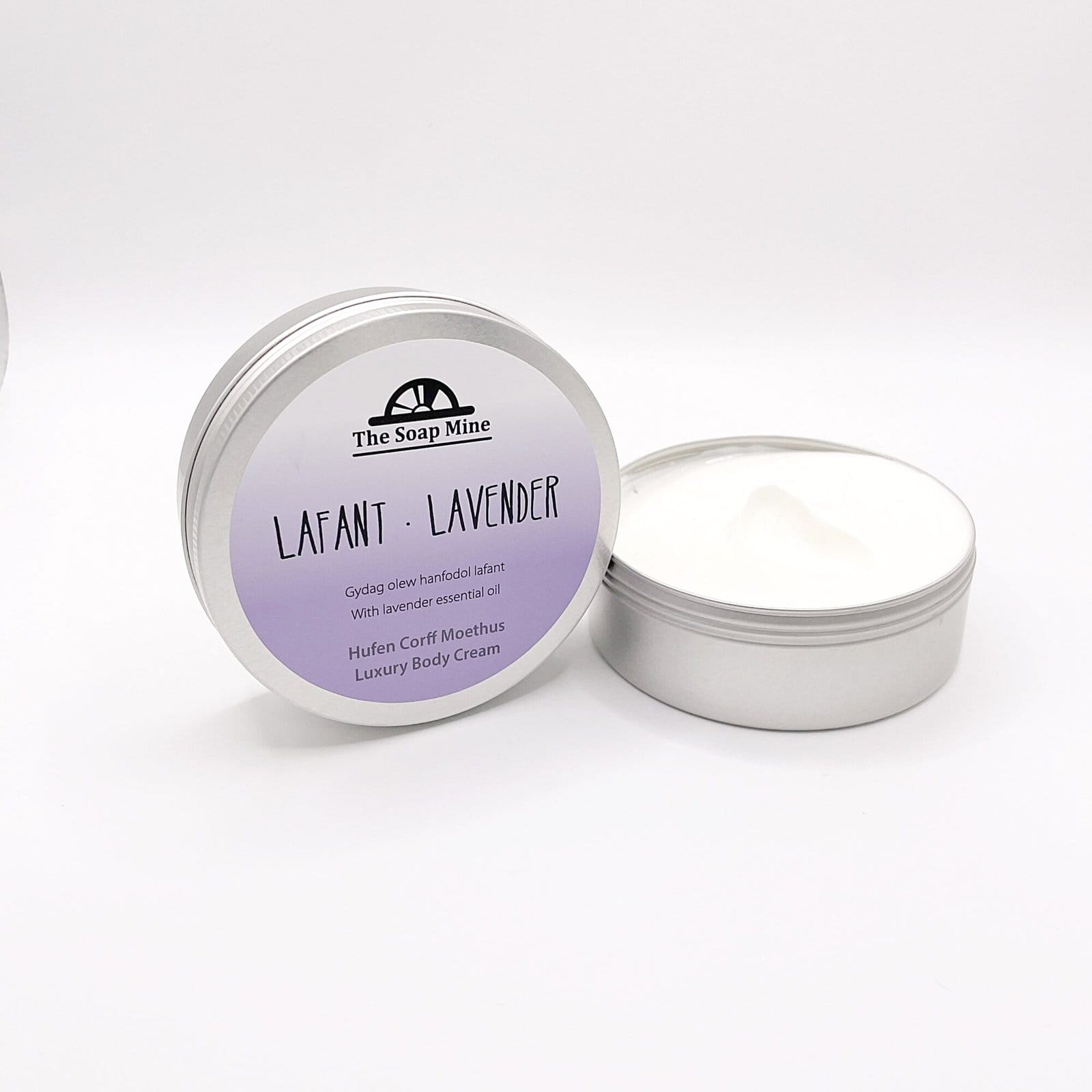
And if you’ve got time for all three, well, that sounds like a perfectly reasonable way to spend an evening.
2. Sweet orange: Sunshine for the soul
There’s something wonderfully cheerful about the smell of freshly peeled oranges.
Bright, juicy and uplifting, it’s the sort of fragrance that reminds me of sunshine, even when the weather outside is doing its usual North Wales thing.
Interestingly, researchers have investigated sweet orange essential oil in stressful situations, including dental appointments.
Some small studies have reported lower anxiety levels among people exposed to orange fragrance, although the results aren’t consistent enough to guarantee the same effect for everyone.
Still, if citrus fragrances make you feel cheerful, that’s reason enough to enjoy them.
How to enjoy it:
- Start the morning with a citrus-scented soap in the shower.
- Use a suitable citrus fragrance in a diffuser, following the manufacturer’s instructions.
- Choose a bright, fruity fragrance when you need a little pick-me-up.
I can’t promise it’ll make a Monday morning feel like a holiday in the Mediterranean, but it’s worth a try.
3. Rose: A little floral comfort
Rose is one of those fragrances that people seem to have very strong feelings about. Some adore its rich, romantic floral scent. Others associate it with old-fashioned perfumes or their grandmother’s dressing table.
Personally, I think a good rose fragrance can be absolutely gorgeous.
Rose essential oil has also been studied for its possible effects on stress and anxiety. Some small studies have produced encouraging results, although more research is needed before we can draw firm conclusions.
For me, rose is a lovely example of how fragrance can be comforting simply because of the memories and associations we attach to it.
How to enjoy it:
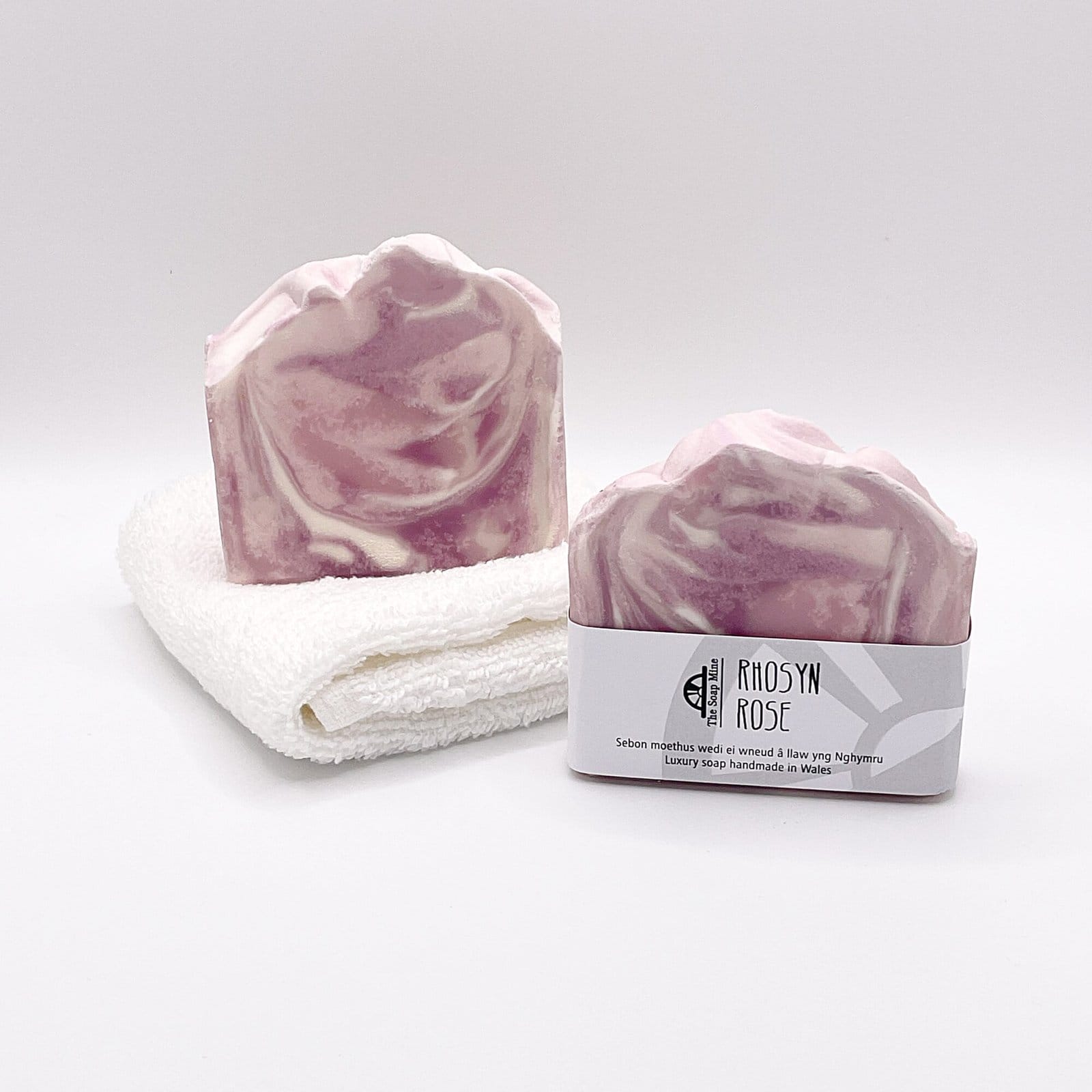
- Treat yourself to a rose-scented bath.
- Use a rose-scented soap for a slow, leisurely wash.
- Enjoy a rose-scented room spray designed for use around the home.
And if rose reminds you of somebody special, that little trip down memory lane might be the nicest part of all.
4. Sandalwood: The grounding one
Unlike bright citrus or sweet floral fragrances, sandalwood has a warm, woody scent that many people find comforting. It’s rich, smooth and earthy, making it a popular choice for perfumes, soaps and home fragrances.
There has been some research into sandalwood and its effects on mood and alertness, but the evidence for its ability to reduce stress is still quite limited.
That doesn’t mean it can’t be part of a relaxing routine, of course. Sometimes it’s simply about choosing a fragrance that makes you feel comfortable and settled.
How to enjoy it:
- Choose a sandalwood-scented soap for your evening shower.
- Enjoy a suitable woody home fragrance while reading.
- Pair the scent with a little quiet time, away from your phone and the never-ending to-do list.
Especially useful if your brain is doing that thing where it has approximately 27 tabs open, and at least three of them are playing music.
5. Bergamot: Calm meets uplifting
If you’re an Earl Grey tea drinker, you’ll already be familiar with bergamot. It’s a citrus fruit with a distinctive fragrance that’s fresh, slightly floral and a little more sophisticated than straightforward orange or lemon.
Bergamot essential oil has been investigated in several small aromatherapy studies, some of which have reported improvements in mood or feelings of stress. Again, the evidence is promising rather than conclusive, but it’s an interesting fragrance to explore.
What I particularly like about bergamot is that it combines beautifully with other scents, including lavender, woody fragrances and other citrus notes.
How to enjoy it:
- Choose a bergamot-scented soap for a refreshing shower.
- Enjoy a cup of Earl Grey while taking five minutes to yourself.
- Use a suitably formulated bergamot home fragrance while reading or relaxing.
And if you do opt for the Earl Grey, I’d strongly recommend a biscuit to go with it. Entirely for scientific purposes, obviously.
A little science, a lot of comfort
So, can fragrance genuinely help us relax? Possibly, yes.
Research into aromatherapy has produced some encouraging findings, particularly for lavender, and there is evidence that certain aromas may influence how people experience stress and anxiety.
But studies vary in quality, and the results don’t mean that every lavender soap, rose bath or bergamot candle will produce a measurable physiological effect.
There’s also the very personal side of fragrance to consider. A scent that reminds you of a lovely holiday, your childhood home or somebody you love might make you smile before you’ve even consciously worked out why. That’s one of the things I find so fascinating about our sense of smell.
Of course, you don’t need scientific research to give yourself permission to enjoy a relaxing bath or a lovely-smelling shower. Taking a little time for yourself is worthwhile in its own right.
Try this tonight
Here’s a suggestion for a little evening relaxation that doesn’t involve booking a spa day, spending a fortune or leaving the house.
Run yourself a comfortably warm bath.
Add a little of your favourite Foaming Bath Sprinkles, following the instructions on the packaging. Put your phone somewhere you can’t absent-mindedly reach for it. Lower yourself into the water, get comfortable and spend some time simply enjoying the warmth and fragrance.
No emails. No laundry. No mentally writing tomorrow’s shopping list. Just ten or fifteen minutes when nobody needs anything from you.
And if you’re not a bath person, a lovely-smelling shower followed by a fabulous smelling body cream and a few minutes with a book or a panad can be just as enjoyable.
The important thing isn’t creating the perfect relaxation routine. It’s finding small moments of pleasure that fit into your actual life. Because while fragrance can’t make your problems disappear, it can certainly make an ordinary moment feel a little more special.
And sometimes that’s exactly what you need.
Vicki x