
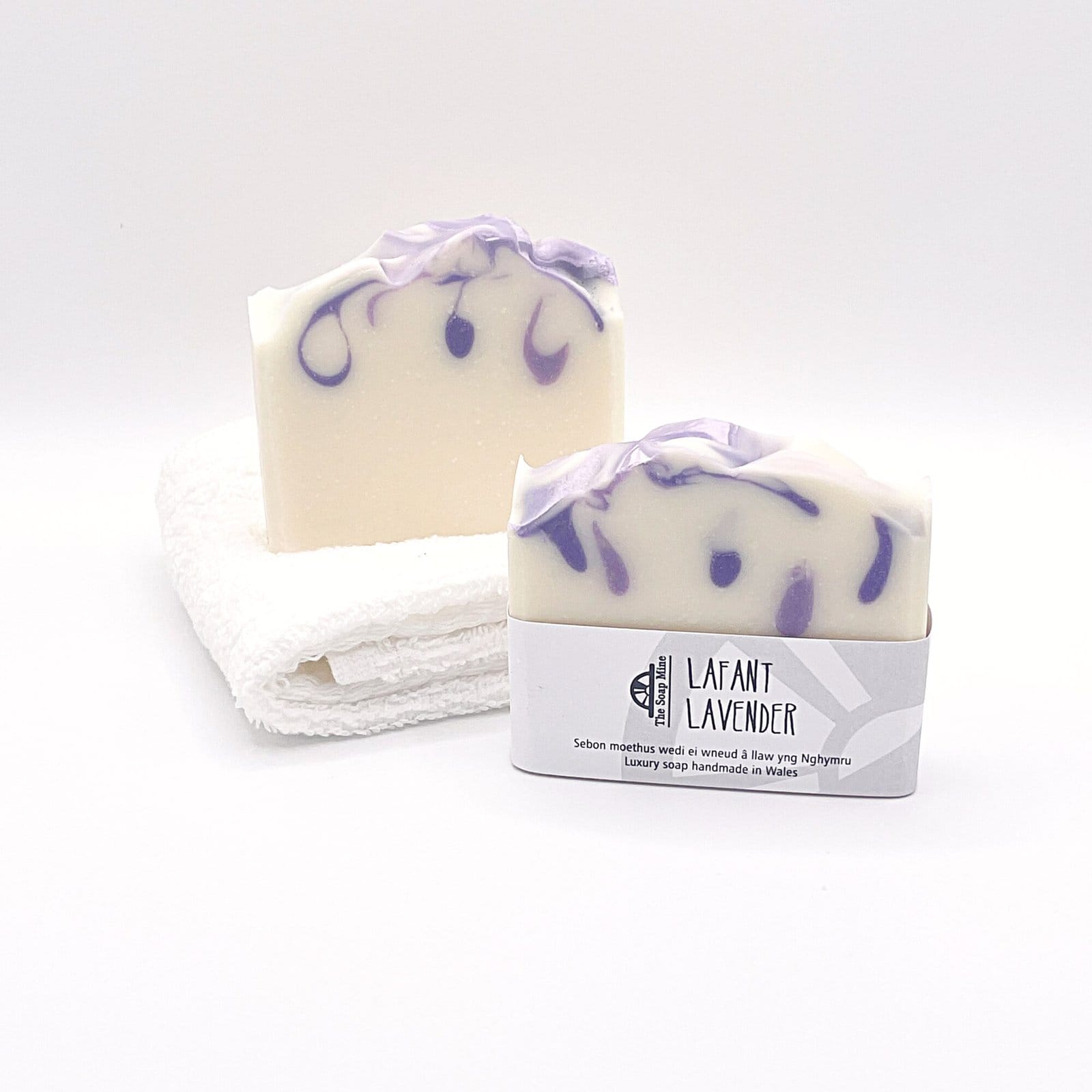
A customer asked me this recently, and I thought it was a very good question. Can a bar of soap tucked in with your jumpers keep the moths away? Well, while I’d love to tell you that my soap can keep you clean AND act as security detail for your knitwear, I certainly wouldn’t trust it with your favourite cardigan.
I AM an advocate for popping a bar of lovely smelling soap into your drawers – it keeps the bars dry and away from sunlight, and has the added bonus of making your clothes smell lovely. But no, I wouldn’t rely on soap for moth protection.
Surely lavender soap can help keep moths at bay?
Lavender has a long history of being tucked into drawers and wardrobes. English Heritage are experts in keeping old fabrics safe, and according to them, dried lavender sachets can help repel adult clothes moths (although the effect is temporary and they don’t affect larvae already in clothing).
But a lavender sachet and a bar of lavender soap aren’t the same thing, and I couldn’t find any reliable evidence that scented bar of soap probably could release enough of the right compounds to protect your woollens.
So, lovely scent? Certainly. A great reason to pop a bar in a drawer. Guaranteed cardigan bodyguard? Sadly, no.
Who’s actually eating your jumper?
Here’s the slightly unpleasant bit: it’s the clothes moth larvae that eat the fibres, rather than the adult moths. The adults lay eggs, and the resulting larvae help themselves to your woollens. Which means that even something that discourages adults won’t necessarily stop an existing problem. Tiny squatters with expensive tastes!
A few practical habits are more useful than giving your soap an extra job on the side:
What does helps protect woollens?
- Put clothes away clean and completely dry. Food marks and perspiration make fabrics more appealing to clothes moth larvae. Follow the garment’s care instructions.
- Vacuum drawers and wardrobes, including corners and crevices where fluff collects.
- Use well-sealed bags or airtight boxes for longer-term storage, starting with clean, pest-free clothes.
- Check occasionally, especially inside folds and seams, for holes, larvae or silky webbing.
If you find signs of moths, deal with the affected clothes and clean the storage area. Adding a nice smell won’t solve it. Clothes moth pheromone traps can help you spot activity, but they aren’t a complete treatment.
And the soap?
If you enjoy keeping a bar in your drawer for the scent, go ahead. Use a dry bar and keep it in a breathable paper wrapper or sachet, away from direct contact with your clothes.
Just don’t put it in charge of moth prevention, it hasn’t done the training 😉
Vicki x