Posted on — Leave a comment

Does handmade soap contain lye?

Here’s a question that comes up quite often when people discover how traditional soap is made.

“Does your soap contain lye?”

The short answer is that I use lye to make my soap, but a properly formulated and fully saponified bar doesn’t contain any free, caustic lye.

And before anyone starts worrying about what they’ve been washing themselves with, let me explain. Because this is one of those occasions when a little understanding of the chemistry makes everything much less alarming.

First of all, what exactly is lye?

Lye is the name commonly given to a strongly alkaline substance or solution used in soapmaking.

For traditional solid soap, the alkali is sodium hydroxide (NaOH), also known as caustic soda. It’s usually supplied as white pellets or flakes, which are dissolved in water before being combined with oils and butters. Sodium hydroxide isn’t some mysterious soapmaking ingredient. It’s widely used in industry, including paper manufacturing, water treatment, food processing and the production of cleaning products.

It also happens to be essential to making traditional solid soap.

For liquid soap, soapmakers generally use a different alkali called potassium hydroxide, which produces softer, more soluble soaps. But here at The Soap Mine, it’s sodium hydroxide that I use to transform my lovely oils and butters into the solid bars you see on the shelves.

Isn’t lye dangerous?

Yes, absolutely. And I’m not going to pretend otherwise. Sodium hydroxide is a highly caustic substance, which means it can cause serious chemical burns if it comes into contact with skin or eyes.

When it’s dissolved in water, the process generates a significant amount of heat, and the resulting solution needs to be handled carefully.

This is why soapmaking isn’t simply a case of throwing a few ingredients into a mixing bowl and hoping for the best.

I work with appropriate protective equipment, including gloves and eye protection, and follow careful procedures for measuring, mixing and handling my ingredients. The sodium hydroxide is always added to the water, never the other way around (that’s super dangerous) and suitable containers (never glass!) ventilation and safe working practices are essential.

It’s a substance that deserves respect. Not fear, but certainly not complacency either. I’ve been making soap for years, and I still take these precautions every single time.

So why use something so caustic to make soap?

Because without a strong alkali, you simply can’t make traditional soap. I could mix olive oil, coconut oil, shea butter and cocoa butter together until the cows came home, but I’d still just have a greasy mixture of oils and butters. To turn those ingredients into soap, they need to undergo a chemical reaction with sodium hydroxide.

And that reaction has a rather wonderful name: Saponification.

What happens during saponification?

This is where the chemistry gets interesting.

Oils and butters are made up largely of substances called triglycerides. These are molecules made from fatty acids joined together by a substance called glycerol (also known as glycerine).

When I combine my oils and butters with a carefully calculated solution of sodium hydroxide, a chemical reaction begins. The triglycerides are broken down, and the fatty acids react to form something completely new: the sodium salts of fatty acids. Which is a very scientific way of saying soap. Glycerine is also produced naturally during the reaction.

In simple terms:

Oils and butters + sodium hydroxide = soap + glycerine

The starting ingredients are chemically transformed into new substances with different properties.

It’s rather like the difference between flour, eggs and a finished cake. The ingredients you start with aren’t necessarily present in the same form once the process is complete. (Although I wouldn’t recommend tasting the soap to test the analogy).

Does that mean there’s no lye left in the finished bar?

Yes, that’s exactly what should happen in a correctly formulated and properly made bar of cold process soap. The sodium hydroxide reacts with the fatty components of the oils and butters during saponification. By the time that reaction is complete, there should be no free, caustic sodium hydroxide remaining.

And here’s an important point: the lye doesn’t evaporate or disappear during curing.

That’s a misconception I see surprisingly often. Sodium hydroxide doesn’t simply evaporate away while the soap sits on a shelf. It is consumed during the chemical reaction that produces soap. In fact, saponification is largely complete within the first day or two of making a normal cold process batch.

The four-to-six-week curing period that follows is mainly about allowing excess water to evaporate and the internal structure of the soap to develop, producing a harder, longer-lasting bar.

I’ve written a separate blog post about why handmade soap needs to cure if you’d like to know more about that part of the process.

Of course, if soap has been incorrectly formulated or badly mixed, it can contain excess lye. That’s why accurate calculations, good manufacturing procedures and proper quality control matter so much. It’s also why I don’t recommend treating soapmaking as an exercise in guesswork.

What about all those strange ingredient names on soap labels?

If you’ve looked at the ingredients on one of my bars of soap, you might have spotted names such as:

  • Sodium Olivate
  • Sodium Cocoate
  • Sodium Shea Butterate
  • Sodium Cocoa Butterate
  • Sodium Castorate

They could sound a bit intimidating, but they’re simply the names of the soaps produced when different oils and butters react with sodium hydroxide. For example, Sodium Olivate is the soap produced from olive oil, while Sodium Cocoate is produced from coconut oil.

Remember that chemical reaction we talked about earlier – saponification? This is the result.

The oils and butters have reacted with sodium hydroxide to form new substances, and those new substances have their own names.

Why don’t I just use the familiar ingredient names?

Because cosmetic labelling in the UK is regulated, and I’m required to provide an ingredient list using recognised cosmetic ingredient names.

These standardised names are commonly called INCI names, which stands for International Nomenclature of Cosmetic Ingredients.

So when you see Sodium Olivate or Sodium Cocoate on my soap labels, I’m not choosing complicated names to make my products sound more scientific, and I’m certainly not trying to bamboozle anybody! I’m just using the recognised names for the saponified ingredients, as required by the labelling specifications for my products.

In fact, standardised ingredient names are intended to make things less confusing, not more. They allow ingredients to be identified consistently across different cosmetic products, regardless of the manufacturer’s preferred descriptions.

They’re particularly important for people who need to check ingredients because of allergies or sensitivities.

So although the ingredient list might look like a collection of rather complicated chemical names, there’s nothing mysterious going on. It’s just the chemistry of soapmaking, written in a language that probably makes much more sense to a cosmetic chemist than to the average person standing in their bathroom. 😂

Why do I think it’s important to explain all this?

Because I think customers deserve to know what’s in the products they’re using, and how those products are made.

I’ve occasionally seen soap advertised as “lye-free”, usually with the implication that this somehow makes it safer, purer or more natural than soap made using sodium hydroxide. But if it’s genuine traditional soap, an alkali was involved somewhere in its manufacture, even if the person selling the finished product didn’t handle it themselves.

Melt-and-pour soap bases, for example, have generally already undergone saponification before the soapmaker buys them. There’s nothing wrong with using a premade base, but it’s misleading to suggest that traditional soap can be made simply by leaving the lye out.

And as I’ve said many times before, I’m not a fan of frightening people with scientific ingredient names or pretending that something becomes inherently safer just because it’s described as natural. EVERYTHING is made of chemicals. What matters is which chemicals we’re talking about, how they’re used and what happens to them during manufacture.

So yes, I use sodium hydroxide to make every bar of traditional cold process soap at The Soap Mine.

I handle it carefully, calculate my recipes accurately and allow every batch to undergo the processes needed to become the finished product. The result isn’t a dangerous mixture of caustic soda and oils. It’s soap. And I still think it’s rather amazing that such ordinary ingredients can undergo a chemical reaction and become something so completely different.

Even after all these years, the chemistry hasn’t lost its magic.

Vicki x

Posted on — Leave a comment

Why does handmade soap need to cure?

Buckle up for Day 6 of Blogtober!

It looks like soap. It smells like soap. So why won’t I let you have it yet?

Because looking finished and being ready to leave the workshop are two different things. Rather like me putting my coat on, then remembering fourteen things I need to do before I can actually leave the house.

What does “curing” mean?

First of all, let’s clear up what curing isn’t.

Soap is not slowly “turning into soap” for four to six weeks. The chemical reaction between the oils, butters and sodium hydroxide, known as saponification, is largely complete within the first 24 to 36 hours after I pour the soap into the mould.

Curing is what happens afterwards.

During the curing period, excess water gradually evaporates from the bars. At the same time, the internal structure of the soap continues to develop and become more crystalline. The result is a harder, longer-lasting bar with better lather and a more refined feel when you use it.

When soap is first cut, it is still quite soft, largely because of its water content. Water is an essential part of the soapmaking process because I combine my oils and butters with a solution of sodium hydroxide and water to make the soap. But we don’t want all of that water to remain in the finished bar.

A soft bar of soap simply won’t last very long in your bathroom. It will wear away much more quickly, which is no good for you and no good for your hard-earned money either. So, while the bars are curing, water is slowly evaporating and they become firmer and harder. The structure of the soap continues to develop too, helping to improve the lather and the overall performance of the finished bar.

That cure time is what allows the soap to become the product I actually want you to use.

And just to clear up another common misconception: curing isn’t about waiting for sodium hydroxide to “evaporate”. That isn’t how the chemistry works.

How do I cure my bars?

Once I’ve unmoulded and cut a batch of soap, the individual bars spend around four to six weeks curing before they are ready for sale.

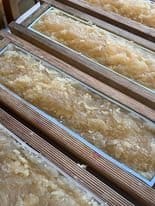
Over the years I’ve collected hundreds of plastic stacking baskets for the job. Before I start cutting, I line enough baskets with tissue paper, then place each freshly cut bar inside with space around it so that air can circulate freely.

I usually fit two loaves’ worth of soap into each basket, and every basket is labelled with the soap variety, its batch code and the date it will be ready to use.

A basket of curing soap

The baskets are then stacked away and left to do what soap does best at this stage: very little, very slowly.

How curing affects the weight of a bar

As the bars cure and lose water, they naturally lose some weight too. A commonly quoted rule of thumb is that a bar may lose around 10% of its original weight during curing, but in practice that can vary quite a bit from batch to batch.

That means I need to allow for that weight loss when I cut and cure the bars, so that once they are ready for sale they still meet the minimum weight stated on the packaging.

For many years I labelled my bars as 100g, but because curing isn’t completely predictable, I would occasionally end up with perfectly good finished bars weighing 98g or 99g. Technically, that meant I couldn’t sell them as 100g bars.

These days I label them as a minimum of 95g instead. I haven’t made the bars any smaller or changed the recipe, and most still weigh more than 100g when they are ready for sale. The 95g minimum simply gives me a sensible margin for the natural variation that happens during curing.

Why not sell it sooner?

Because I want you to receive a bar that performs properly, rather than one that has been rushed out of the workshop before it is ready. Admittedly, this can make stock planning rather interesting. If a particular variety suddenly becomes very popular, I can’t simply make another batch today and have it back on the shelf tomorrow. Every new batch still needs its full cure time.

That can occasionally mean a favourite soap is out of stock for a while, but shortening the curing period isn’t a compromise I’m willing to make. Waiting those extra weeks gives you a harder, longer-lasting bar that is properly ready to be used.

Why doesn’t commercially made soap need a long cure?

Commercial soap is usually produced very differently from traditional cold-process soap, which is why it can often be made, packaged and sent out much more quickly.

Mechanical processing: Many factory-made soaps are processed using heavy machinery that removes moisture and compresses the soap into a dense, hard bar. Milled soaps may be passed through rollers several times before being pressed into their final shape, so they don’t rely on weeks of air-drying to become firm.

Different formulations: Commercial bars contain ingredients designed to give them hardness, stability and a long shelf life. Some are technically detergent-based cleansing bars rather than traditional soap, so the manufacturing process is completely different from cold-process soapmaking.

Glycerin may be removed: During some large-scale soapmaking processes, the naturally produced glycerin is separated from the soap and used elsewhere. Because glycerin attracts and holds water, removing some or all of it also changes the moisture content and behaviour of the finished bar.

Handmade cold-process soap, on the other hand, is usually left much closer to the state it naturally reaches after saponification, so time does part of the work that industrial processing can achieve much more quickly.

So, although four to six weeks might seem like a long time to wait for something that already looks perfectly finished, that curing period is an important part of making good cold-process soap. It gives each bar the time it needs to become harder, longer lasting and ready to perform as it should.

It may not be the most exciting stage of soapmaking, but it is 100% worth the wait 😉

Vicki x

Posted on — Leave a comment

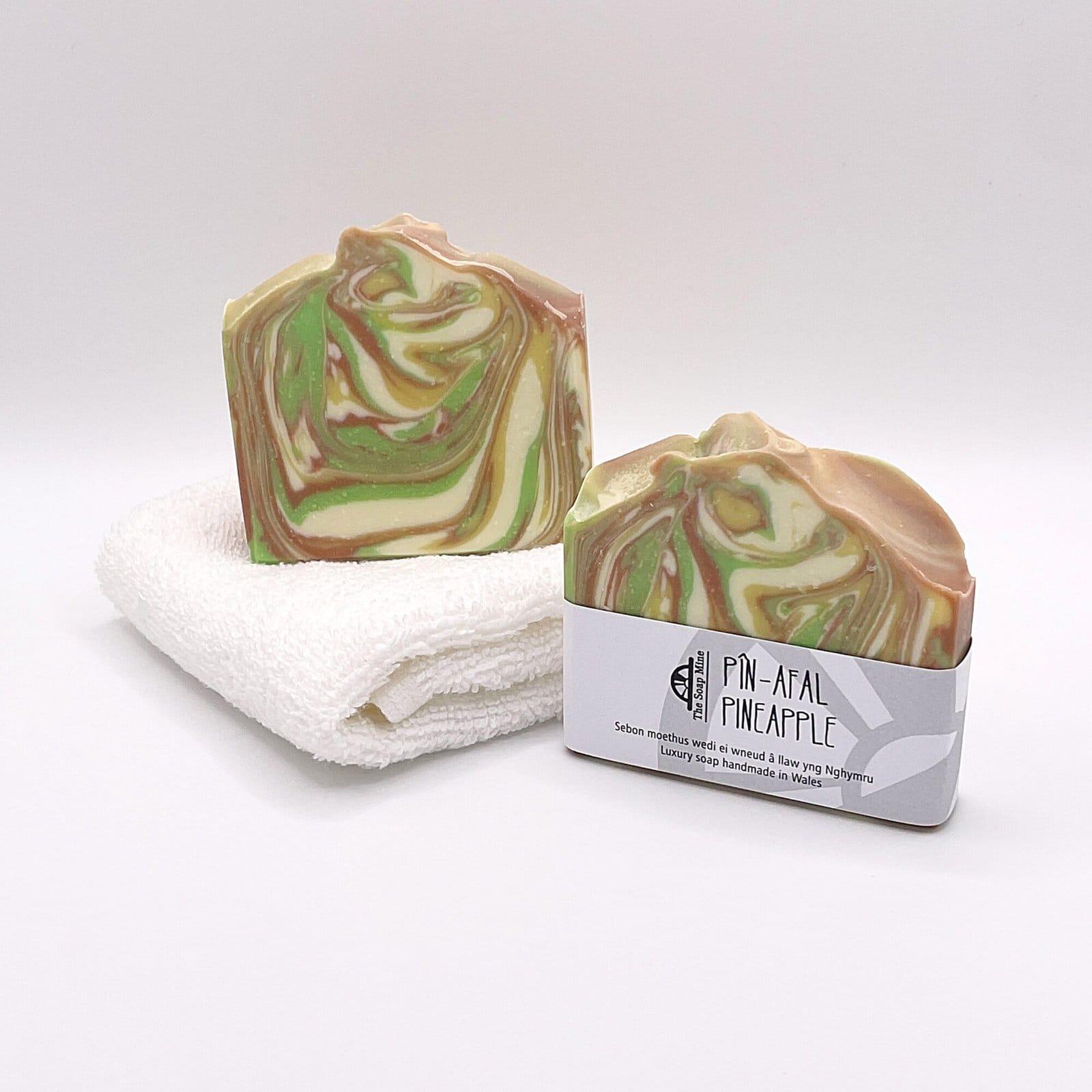
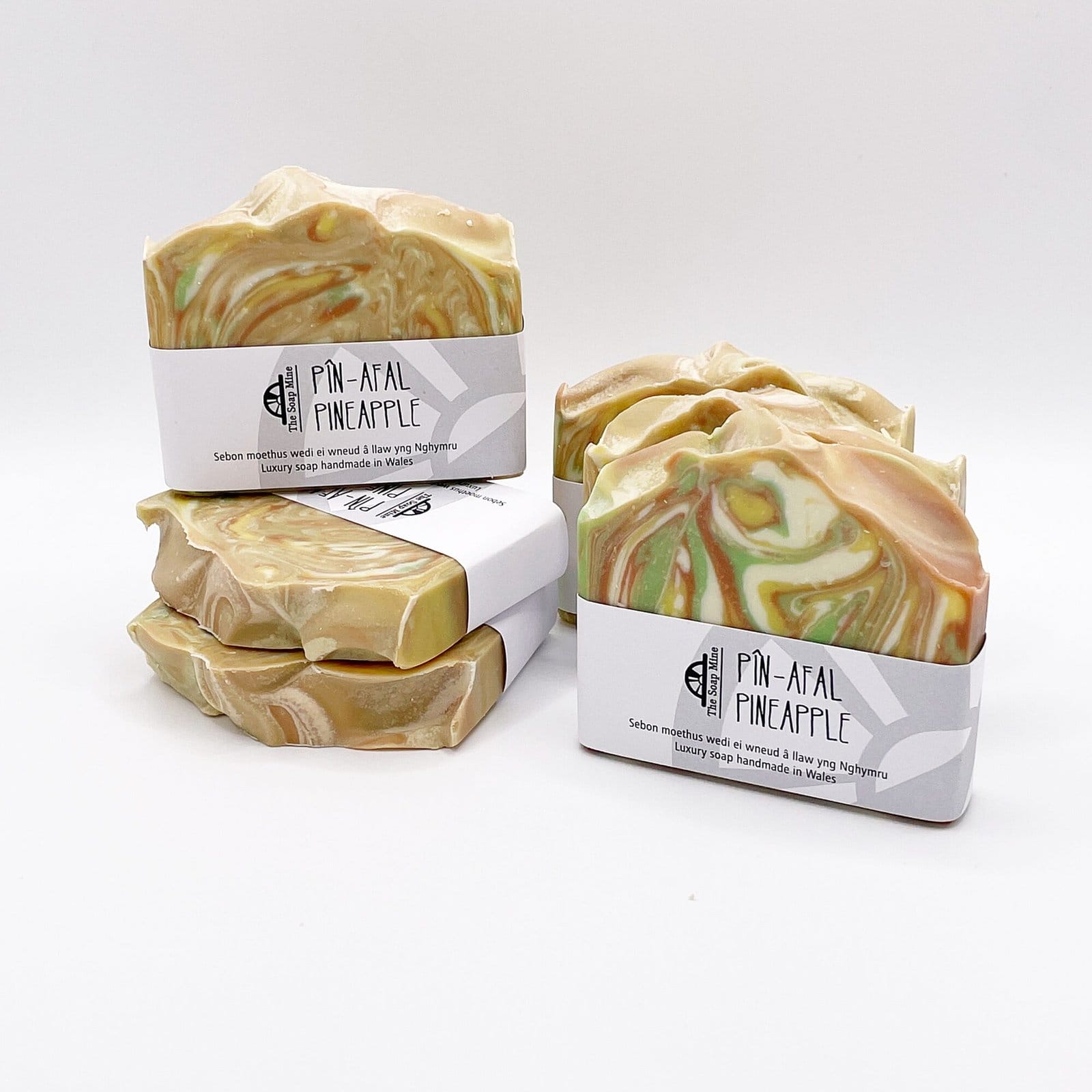
New on the Soap Shelves – Pineapple

I’m not sure which planet I was visiting when I decided that committing to weekly blog posts was a good thing. It’s just not happening is it?! Sanity has returned and I’m back on planet Earth, realising that weekly posts may not be possible, but I CAN still find a middle ground and keep the blog relatively current without busting a gut every Sunday to find something to write about.

Today however I DO have something to share – brand new Pineapple soap.

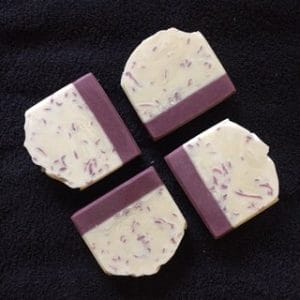
2 bars of Pineapple Handmade Soap
Pineapple Handmade Soap
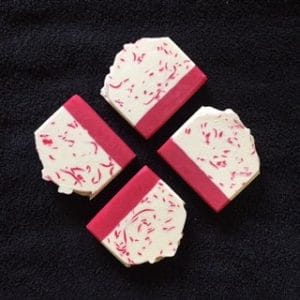
6 bars of Pineapple Handmade Soap
Pineapple Handmade Soap

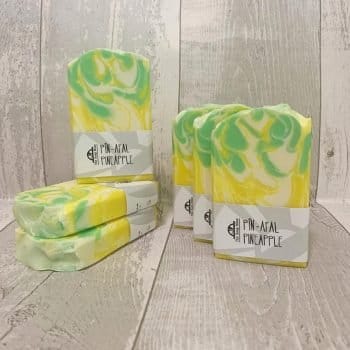
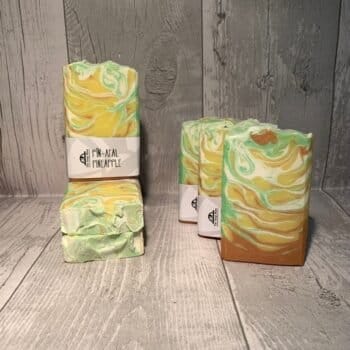
I first made this bar as one of the 2021 Summer specials, and loved it so much that I brought it back again for Summer 2022:

Pineapple Handmade Soap
Pineapple Handmade Soap Summer 2021
Pineapple 4
Pineapple Handmade Soap Summer 2022

Fast forward to January 2023 and Sugar Drops and Cucumber were both being discontinued. I was looking to add a new fragrance to the core range to replace them and Pineapple seemed like the perfect choice, and not just because I personally absolutely LOVE it. It’s a straight-up ripe pineapple fragrance, sweet and juicy, fresh and zingy – it LITERALLY makes my mouth water just thinking about it. Put that delicious fragrance together with my regular luxury soap recipe and you’ve got a year round winner that’s good for your skin, your pocket AND the environment.

Why not add one to your next order (find it here) and give it a whirl – I promise you won’t be disappointed.

Posted on — Leave a comment

The Christmas Range 2021 – Santa’s Cookies

Blogtober 2021 – Day 29

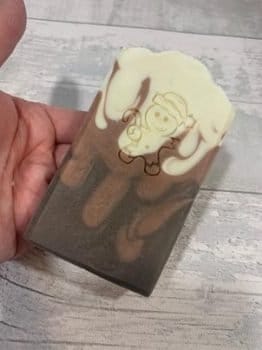
Last (but – of course – not least) in the Christmas 2021 limited edition line up is Santa’s Cookies. It smells just like Ginger Snaps – a bit of biscuitty sweetness but leaning more towards the ginger, rounded off with nutmeg, molasses and vanilla. Just don’t leave one of these out for Santa to nibble on – he won’t thank you for it 😉

There we go, four days, four Christmas specials. Which one’s your favourite?

Thanks for reading, back tomorrow with the penultimate Blogtober post – hooray!!

Posted on — Leave a comment

The Christmas Range 2021 – North Pole

Blogtober 2021 – Day 28

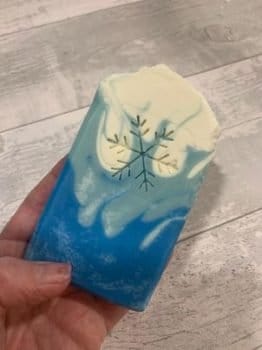
The third of this year’s limited edition Christmas specials is North Pole. This one’s a bit of a departure from the norm, but the fragrance is perfect for a winter soap. It’s a fresh, cool menthol/eucalyptus blend with a touch of camphor, pine, lemon and spice. Oh so invigorating!

Thanks for reading! Back tomorrow with the fourth and final limited edition Christmas special for 2021.

Posted on — Leave a comment

The Christmas Range 2021 – Snow Fairy

Blogtober 2021 – Day 27

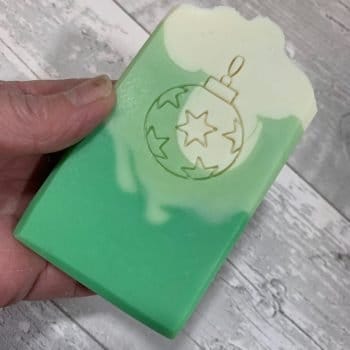
The second of this year’s limited edition Christmas specials is Snow Fairy. This fragrance was the runaway favourite amongst my customers last year, so it had to come back for a second appearance this year (with a new look, of course!)

Snow Fairy is fragrance that’s difficult to describe, so I’m going to break my unwritten rule and just copy the supplier’s description. Let’s see what you make of this:

“A captivating blend of sparkling pink snowflakes laying gently on opulent velvet moonlight rose mingles with zingy black raspberry to complete on a seductive base of warm dark smooth ambers, earthy patchouli and sheer musk”

What do you think? Any the wiser? If you know what pink snowflakes smell like, please do share! All I can tell you is that it smells absolutely gorgeous, as a great many of my customers from last Christmas will testify….

Thanks for reading, back tomorrow!

Posted on — Leave a comment

The Christmas Range 2021 – Noel

Blogtober 2021 – Day 26

The first of this year’s limited edition Christmas specials is Noel, and I’m sharing it first because I think it’s my favourite of the lot. Noel is fragranced with a blend of rich festive fragrances including citrus fruits, spicy clove and cinnamon, and notes of sweet vanilla, patchouli, cedarwood and amber which round off the scent. This is a gem of a fragrance, and is especially wonderful for soap because:

  1. It’s a fragrance that contains vanilla that does not discolour to brown and
  2. It’s a fragrance that contains spice elements that does not accelerate (thicken up too quickly) during the making process.

A bit of a soapmaker’s dream come true really!

Available from the 13th November

Thanks for reading – back tomorrow!

Posted on — Leave a comment

Rainbows for Christmas

Blogtober 2021 – Day 25

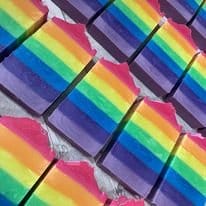
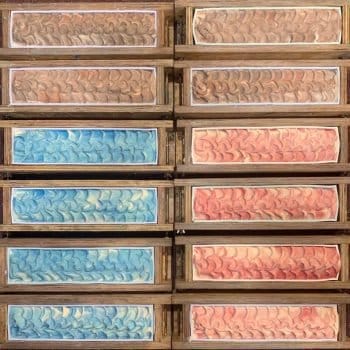
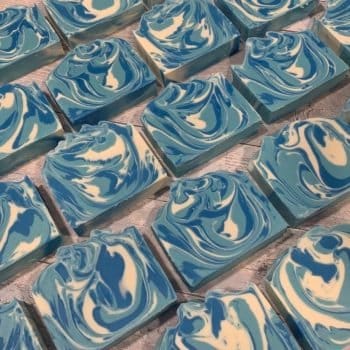
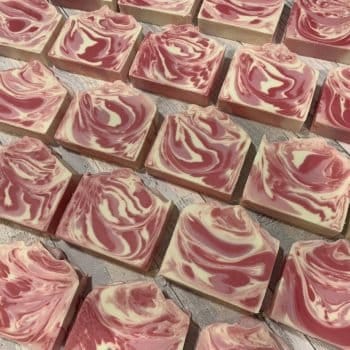
I promised a photo of the cut bars of Enfys (Welsh for ‘Rainbow’) that I made yesterday, and here they are 🙂 Fragranced with a sweet and fruity berry-like fragrance.

Just over 90 bars of Enfys, freshly cut and still a little tatty around the edges. Please forgive their current rought and ready appearance – once they’ve dried a bit they’ll be bevelled and generally tarted up, but they’re a little too soft to be titivated at this stage.

They’re currently out of stock, but when they’re ready – around the end of November, you’ll find them here.

I had thought to tack this photo on the end of a completely different post today, but Blogtober exhaustion has hit, and I reckon as long as I get SOMETHING posted every day, that’s good enough. We’re also going away for a few days tomorrow, and so today has mostly been a day of washing and packing, rather than composing an interesting and constructive blog post 😉

Speaking of which. When I first decided, on a whim, to take part in Blogtober this year, I completely neglected to consider our little trip away. It’s just a few days in Fishguard, on the Pembrokeshire coast, but it’s a few days away from work, to enjoy time with the children, and I’m not taking my laptop. So over the next four days I’m going to introduce the four limited edition Christmas special for 2021, and I’ll be back with a ‘proper’ post on Saturday. Which, in all honestly will probably just consist of photos of our trip.

So, short and sweet, but thanks for popping by anyway. There will be a post tomorrow, and the following three days, but I’ll be back in person on Saturday.

Posted on — Leave a comment

A Busy Weekend

Blogtober 2021 – Day 24

It may be the weekend, but I’ve still been busy making soap. I generally try to avoid working on the weekend, but it’s half-term this week and we’re going away for a few nights, so I’m getting caught up in advance 😀

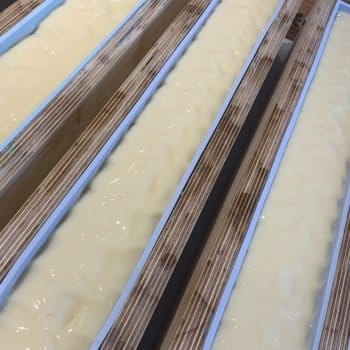
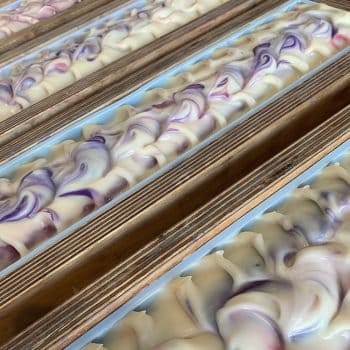
Yesterday I made 180 bars of soap – 60 Cysur, 60 Fresh Linen and 60 Rose:

And today I cut all the loaves into bars:

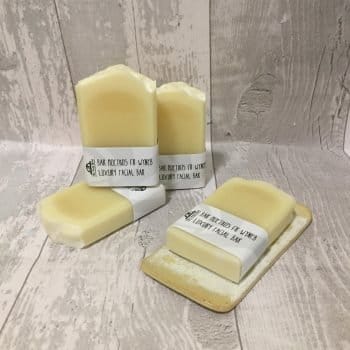
Yesterday I also cut the loaves of Luxury Facial Bar that I made on Friday. If you’ve never considered washing your face with soap, then this might the thing to change your mind. It’s cleansing but super-gentle, and won’t leave your skin feeling tight. Just check out the reviews on the website listing here

Today I’ve made 88 bars of Enfys (the Rainbow bar) – the most I’ve ever made in one go. These are currently sold out but are a great seller at Christmas, so I was really keen to get these made before we went away. Hopefully I should be able to get them all cut tomorrow (Monday) and then I can forget about them for a few weeks. All being well I’ll share a photo of the cut bars in tomorrow’s post.

That’s all for today, thanks for reading, I’ll be back tomorrow!

Posted on — Leave a comment

Becoming a Full Time Soapmaker

Blogtober 2021 – Day 23

Another question that came up when I asked for blog post ideas in our FaceBook group was this one:

I actually thought that I’d written about this aaaaages ago, and thought it would be a nice quick and easy to update and repost… But no. If I did write it, I can’t find it 😀

So, this is the story of how I came to be a full-time soap maker.

Sometime back in (I think!) 2009/2010 a friend came to visit and showed me a piece of soap she’d made. I was amazed. Not only did I have ABSOLUTELY no idea how soap was made, I couldn’t believe that it was possible to make it at home. This was something completely new to me and I REALLY wanted to know more.

I started scouring the internet for ‘how to’ articles, I bought loads of books, and started watching soap making videos on Youtube, until eventually I was ready to make my very first batch of soap. My first attempt was made using a kit bought online. It provided pre-measured oils, butters and lye, and with hindsight was massively overpriced for what it contained, but never mind that – I made soap!

It doesn’t look like much but I was SO proud of that soap! It was supposed to be fragranced but there wasn’t much smell to it, but it worked like soap should work, so I was happy.

After that there was no stopping me. I made lots and lots and lots of soap, in lots of different colours and fragrances, and pretty soon I had way more than we, friends or family could possibly use in one lifetime. All this experimentation took quite a while, during which time I’d had our first child and given up work to look after him. Needless to say the prospect of making a bit of extra cash by selling soap was very appealing and I hit upon the idea of starting up a little business that I could potter away at, while still being a full-time mum. But it wasn’t going to be that easy.

One thing I’d realised from my research was this: Selling soap involves a lot more than just making it and then finding a market. Every single product that is designed to be used on the skin, whether a leave-on product (like lotion) or a rinse-off product (like soap), needs to be assessed and approved by an appropriately qualified chemist and needs to be covered by a Cosmetic Product Safety Report (CPSR).

Once the CPSR had been obtained I made sure I was properly insured and also had my soaps recorded on the European Cosmetic Product Notification Portal (CPNP)* Then I had to ensure that my labelling and ingredients list etc were compliant, and that batch numbers were recorded for all products. But eventually, I was ready to give it a go.

We were living in Manchester at the time, and I signed up for a few artisan craft fairs at the weekends, but it really wasn’t the earner that I’d hoped it might be. Sometimes I’d do well and go home buzzing, but often I’d sell a few bars and earn just enough to cover the fees that I’d paid to be there. I generally made enough to keep buying more supplies to keep making, but to be honest for a long time I wasn’t doing much more than covering my costs.

By 2014 we’d had our second child and decided to move the family back home to north Wales, where I was brought up, and it was here that the business really took off – mainly with the support of a few local businesses who agreed to stock my soaps. Over the years I managed to get my products in more and more shops, and then in February 2020 I launched the website, and thank goodness I did. Covid hit, and craft fairs and retail outlets all closed their doors.

Fast forward to today and althought the craft fairs are starting up again, I’ve decided not to participate any longer. I now have a long list of stockists and the website is doing well; doing craft fairs as well would mean stretching myself too thinly. I think anyone who runs their own business alone with know that it’s quite hard work, and I work at least 50 hours per week as it is – that’s quite enough thank you! Besides, starting the business was orginally a way for me to stay at home with the children rather than have to work outside of the home, and being at craft fairs all day at the weekend would mean missing out on a lot of family time.

*Since Brexit we in the UK no longer have access to the CPNP and instead have to submit a cosmetic product notification to the Office for Product Safety and Standards (OPSS) for every different product and variety of product

Well, that turned into a bit of a long-winded waffle, but hopefully it answers the original question. If there’s anything you’re still wondering about please just ask away in the comments below!

Thanks for reading, back tomorrow!

Posted on — Leave a comment

Blodau (Flowers) Soap

Blogtober 2021 – Day 16

Phew! Made it to the halfway point! Tonight’s post needs to be a quick one because as always, I have nothing prepared and Saturday night is family TV night in the Hinde household and we have a date with The Cube!

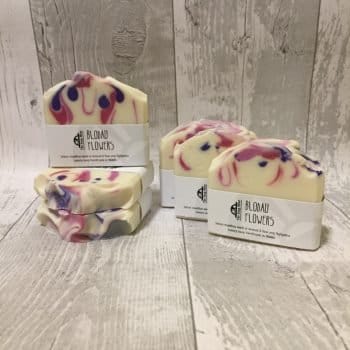
It’s been a busy week making soap (I’m still catching up with stock levels) so I thought I’d show you one of the batches that came off my one-woman production line this week. Blodau (Welsh Flowers) is scented with a 50:50 blend of lavender & ylang ylang essential oils. Ylang ylang on its own can be a bit heavy for some, but combined with lavender it’s just gorgeous. This bar has been my 7th best selling variety of regular soap bars on the website this year, but for some reason it’s more popular in wholesale orders where it’s my 4th most popular.

I generally make four loaves of soap in one batch – this was Blodau in the mould this week:

Blodau in the mould

The next day I unmoulded and cut the four loaves, and ended up with 60 bars of soap, no two of which were the same. I love how ever bar of soap I make is individual and unique:

Freshly cut Blodau
Freshly cut Blodau

All sixty bars have now been put to bed for their six week cure, but as always there’s plenty available on the website, get yours here!

Blodau Handmade Soap

Thanks for reading! Back tomorrow with Day 17 🙂

Posted on — Leave a comment

A Day for Everything (or Anything)

Blogtober 2021 – Day 13

One Mothers’ Day, a few years back, my children gave me a teddy bear. They said they felt sorry for me because they had a lot of lovely teddies and I didn’t have even one! To be honest, I’ve not really given Elwyn the bear the attention he deserves, but when I realised that today was, wait for it… Bring Your Teddy Bear To Work & School Day I couldn’t resist 😉 (Today is also No Bra day, you should be very thankful that I chose what I did…)

October 13th is…

Firstly I packed a few website orders. Every single retail order that leaves my workshop will contain a sample bar – something I think the customer might like to try. Elwyn did a very good job of reminding me to add a small sample bar into each parcel before it was sealed. Those bags are cellophane by the way, not plastic 😉

Sample bars

Elwyn was great at checking a wholesale order before it went to be bevelled and labelled:

Checking a wholesale order before bevelling & wrapping

We bevelled and tidied up some bars of Eryri. Each individual bar is bevelled by hand – using a regular potato peeler – before it gets wrapped in its eco-friendly paper wrapper.

Bevelling Eryri Bars

Finally, we did a stock check – a LOT of soap bars have left the workshop in the last 10 days and I needed to know exactly how many of each bar I still had available – both fully cured and not yet cured:

Checking stock levels

Thanks for reading, I’ll be back tomorrow with a slightly less infantile post, but at least I got to show you just a small portion of what goes on in a typical working day at The Soap Mine.

Posted on — Leave a comment

The Making of Eryri Handmade Soap

Blogtober 2021 – Day 10

My number one bestselling soap is Eryri, the landscape soap:

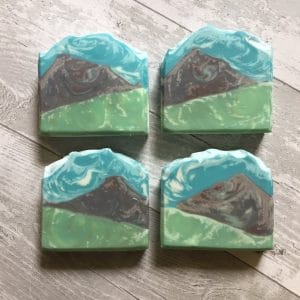
Four bars of Eryri handmade soap
Eryri Handmade Soap
Eryri Handmade Soap
Eryri Handmade Soap

I’m pretty rubbish with technology, but I’ve been asked so many times to record some videos of my soapmaking I thought I ought to give it a go, and this video shows me pouring and sculpting Eryri. Some people use scrapers to ensure that all the bars are uniform in design, but I sculpt my layers freehand, so no two bars are ever the same. I like them that way 😉

I always make this in batches of six loaves (90 bars), but you only see five in the video – the sixth was just out of shot.

I don’t think there’s much else to say about this one, but if you have any questions just pop them in the comments below and I’ll respond asap.

Thanks for reading (and watching). I’ll be back tomorrow with Day 11.

Posted on — Leave a comment

Cold Process Gets Hot

Blogtober 2021 – Day 6

During the summer, while I was trying to button down the fragrances I wanted to use for the autumn specials, I came across the most amazing Toffee Apple fragrance. Unfortunately it was an absolute nightmare to use in cold process soap. It massively accelerated trace, and did actually turn the soap solid in the bucket before I could even think about adding colour, never mind pour it into moulds. Nevertheless, I adored the fragrance and decided to break with tradition and offer my customers a soap made using the hot process method. If you’re not sure what that is – check out this post

Now I’m really not an expert at this method, and while some people can make amazing looking soap this way, my attempts have always been pretty basic and rustic looking, with no fancy swirls or patterns, and that was just how this one came out.

I honestly didn’t think I would sell very many at all, so only made 30 bars, but completely underestimated my lovely customers loyalty and preparedness to try something new and sold out within the hour – arrghh! I felt duty bound to make more PDQ, which I did. A couple of days ago.

Hot process soap is generally made in a slow cooker / crockpot, and is so called because additional heat is added to the soapmaking process to speed up saponification. However, knowing how quickly this fragrance accelerates trace, I dispensed completely with the crockpot but made sure that my oils and lye solution were significantly hotter than I would normally have them. I added the fragrance to the heated oils and butters first and mixed very well, to ensure that it was completed incorporated. I then slowly added the hot lye solution to the oils and mixed well again. It turned solid in the bucket quite quickly, and I let it sit for a while it continued to heat up. This is NOT something I would recomend for any beginner soapmakers, overheated caustic soap batter is dangerous.

I’ve tried to upload a video of the mixing of the batter but I can’t seem to get it work, but here are a couple of photos:

Once I was happy that it was all thoroughly mixed and of the right ‘vaseline-like’ texture I plopped it into the moulds. They’re certainly not the most beautiful ‘in-the-mould’ photos 😉

Toffee Apple in the mould

Yesterday I unmoulded and cut the loaves and I’m really happy with how they turned out. While I usually give my regular bars a full 6 weeks cure time, these psuedo-hot process bars don’t need quite so long, and will be available for purchase on, aptly enough, 31st October.

Toffee Apple freshly cut

Thanks for reading – back tomorrow for Day 7

Posted on — Leave a comment

Today’s Makes

Blogtober 2021 – Day 5

This morning I made 120 bars of Serenity soap. Serenity the fourth best selling soap on the website, and so far this year I’ve made a whopping 720 bars.

It’s fragranced with a custom blend of Ylang Ylang, Lemon, Orange and Patchouli essential oils, and I’m often told that it’s a very ‘spa-like’ fragrance.

They’re overnighting in their moulds as I type, but I’ll unmould and cut them tomorrow, and will share a photo of the cut in a future post.

Thanks for reading – I’ll be back tomorrow with Day 6!

Posted on — Leave a comment

The Christmas Specials 2019

The theme for this year is ‘Let it Snow’, for what are, I hope, obvious reasons. There are five different fragrances to enjoy:

Sugar Plum

Fruity and warm, this fragrance combines berries, orange and cherries with a hint of vanilla and sugar:

Sugar Plum Handmade Soap
Sugar Plum

Candy Cane

Back for a third year, this fragrance has proved so popular in the past that I couldn’t NOT bring it back.  It’s a delicious blend of buttery peppermint and sugary vanilla – do not eat!! 😀

Candy Cane Handmade Soap
Candy Cane

Snow Queen

I’ve never made a blue Christmas soap before and with a color like this I couldn’t resist a Frozen reference.  The fragrance is a complex blend combining herbal and fruity top notes, middle notes of jasmine, cinnamon and clove and base notes of amber and patchouli. It’s a really difficult scent to describe but it’s heady and exotic and perfect if you’re looking for something a little less traditional.

Snow Queen Handmade Soap
Snow Queen

Warm Gingerbread

Back for its second year, this fragrance is absolutely gorgeous and proved hugely popular last year. Ginger and cinnamon, vanilla and freshly baked cake give a warm, comforting scent perfect for winter days.

Warm Gingerbread Handmade Soap
Warm Gingerbread

Spiced Orange

A strong, rich and spicy orange and cinnamon blend, heartwarming and cosy.

Spiced Orange Handmade Soap
Orange Handmade

All available from week commencing 11th November. Pre-orders being taken now, £4.50 each.

Posted on — Leave a comment

The Week in Soap: 27th October, ’19

Today’s weekly catch up is going to be an experiment in speedy posting, I’m officially on holiday, but won’t have anything soapy to share next Sunday and I didn’t want to miss two weeks. Every week seems to get busier and busier, but I think this week that had more to do with being off this coming week and wanting to get all orders out and loose ends tied before I go away.

The main thing I wanted to show you before I go away is…. Drumroll please…. the Christmas bars!  The theme is ‘Let it Snow’, and there are five in the range:

Ice Queen

Spiced Orange

Sugar Plum

Gingerbread

Candy Cane

What do you think?

This week I delivered my first batch of 840 bars to Babipur, a local online company who offer ethical shopping for kids (and the grown ups in their lives).  I have many more bars for them ready to be wrapped, yet more curing and more still to be made, so they’re keeping me extremely busy but I’m SO grateful and happy to be working with them to spread the love of handmade soap 😉

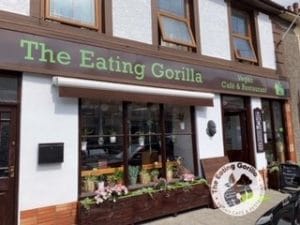
I was lucky enough to secure two new stockists this week.  Firstly The Eating Gorilla is the areas newest vegan eatery which has had seriously great reviews in the few short months since it opened. The owner Diane was already a customer of mine and she was keen to share her love of my vegan friendly products with her customers

The Eating Gorilla

The second, Celyn’s is an independent shop which stocks a fabulous range of locally produced goods for the home and garden. It’s located in Llanbedr, on the west coast of Wales, just south of Harlech:

Celyn’s Llanbedr

In addition to all the deliveries I had to get out this week I also had my regular monthly craft fair in Porthmadog on Saturday:

Craft Show Display

and spent most of Friday night wrapping and labelling stock for that (oh, and a special order for 40 (FORTY :-0) gift sets that were being picked up on Saturday evening – I was wrapping THEM in my sleep Friday night lol, but sadly I forgot to take a quick pic of them before I handed them over).

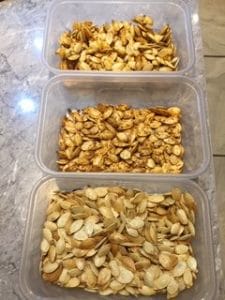
Finally, because we’re away next week over Halloween, my kids decided to carve their pumpkins early, and I did a bit of seed roasting for the first time.  Oh my word how have I never done this before? Home roasted Salted, Spiced and Honey  pumpkin seeds are DELICIOUS!  And the children agree, so that’s a win 😉

Roasted Pumpkin Seeds

Tomorrow we head off on holiday for five days – taking the children to do the whole sightseeing shebang in London.  There’ll be no soapy stuff going on, but hopefully lots of exploring, fun and… walking. Unfortunately I managed to twist BOTH my ankles this week – my right one last Sunday while out with the pup, and then on Wednesday my left one went and I took a dramatic tumble. Ouch 🙁  They’re improving and I’m hoping that all of the walking to come this week won’t make them worse.

Thanks for reading – I’ll be back in a fortnight if not before!

Vicki

Posted on — Leave a comment

The Week in Soap: 20th October, ’19

I can’t be the only one who’s incredulous that there’s only a week and a half left of October? They say time flies when you’re having fun so I guess I must be having a whale of a time 😉

I didn’t manage to get a weekly update out last week, I posted the info about the solid conditioner bars (here) and that, it would appear, brought me to the limit of my available blogging time. However, you really didn’t miss much. I made soap. I wrapped soap. I labelled soap. I dispatched soap to retail and wholesale customers. I read about soap and talked about soap soap – in person and online.  Oh, I took the dog for a few walks as well.

Seriously though, I am living and breathing soap at the moment (with the odd foray into solid conditioner bars). I’m running out of space in my rented office space (a 20 second commute over the road above the village Tourist Info Shop – I should share some pics sometime), and I definitely need a larger making area at home.  It feels like I should be expanding my space, but there isn’t really anywhere local I could move into, and the children are still too small for me to travel too far afield.  We’ve talked about the possibility of building a workshop in the garden, which would solve the studio space issue, but I’d still be struggling for curing / wrapping / packing space. It’s one of those things that’s on the back burner, but always there, niggling at me to find a solution, so I’m trying not to fret about it too much during the run up to Christmas, and will give it some more thought in January / February (supposedly my ‘quiet’ time, but it didn’t quite work out that way this year so we’ll see).

I’ve had a big run on guest bars this last couple of weeks. The guest houses and holiday lets around here continue to be occupied throughout autumn and are always full over Christmas and New Year, so I think everyone’s getting their orders in now to be sure they don’t run out over the festive period.  I have 250 of these mini bars to cut and bevel over the next two or three days. Thankfully customers are becoming increasingly eco-conscious and don’t always want them fully wrapped – the ‘naked’ option is becoming more popular, and I always provide a full ingredients list and other mandatory info for the customer to pass on to their guests.

Lavender Guest Bars

Ooh, and I’ve added a new fragrance to the FO range… During the summer I released four limited edition bars, one of which was Watermelon, which proved to be extraordinarily popular. And justifiably so – it smells utterly delicious.  When I dropped Tutti Frutti from the core range I had room for a new regular fragrance and adding Watermelon was a no-brainer.  Here’s the very first batch of 60 in the mould:

Watermelon in the Mould

I said in my last weekly update that I would share a bit more about the Christmas range soon but I’ve STILL not managed to take any photos. I hereby undertake, no, I PROMISE, that I shall reveal the Christmas range in my next update post. *Adds another thing to this week’s to-do list*

I’m still working on my HUGE order that I alluded to back on the 22nd September.  The first batch are now all fully cured and are bevelled and ready for wrapping. There are almost 800 bars just in this first delivery to get labelled up with a cigar band wrap, and I’m so grateful that my lovely friend has been willing to come round and help me in return for a cuppa and a chat.  Now these are new to me, but I love the way they look, and I’m edging more and more towards doing my own this way. They’re eco-friendly, look great, and are quick to wrap once you get into the swing of them.  However my customer is an online only company, so these bars won’t be sitting on a shop shelf for any length of time, whereas mine would be, so I’m not sure whether it would work for my wholesale customers? I think I’m going to give it a go though. Here’s a sneak peek of some we’ve wrapped already:

Custom Order Packaging

And finally, here are some pics of cut soap and soap in the mould from the last couple of weeks…

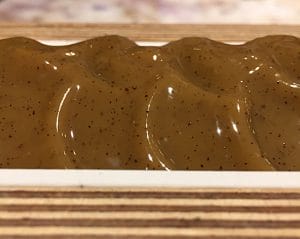
Triple Coffee Scrub

Luscious Lavender in the Mould

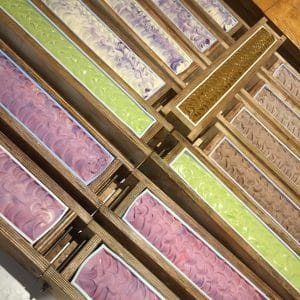
Thursday Night’s mega-making session

Serenity Essential Oil Bars

Thanks for reading, back soon!

Vicki

Posted on — 3 Comments

The Week in Soap: 6th October ’19

Monday and Tuesday of last week were the big soaping days – this was the result of Monday’s session:

180 Soap & Shampoo Bars

On Tuesday I was mostly speed (read: ‘panic’) making Christmas soaps.  I made a  load weeks ago, thinking I was really on the ball, but I wasn’t happy with them.  AT ALL  🙁

I prevariacated for a while, conscious that time was getting on and that I needed to make a quick decision, and finally this last week I redesigned and made bars that I’m happy with – phew! They’ll be released a little later than I’d hoped, but still in plenty of time for the holiday period.  I don’t have any pictures yet, but I’ll share the fragrances next week, and perhaps a photo or two the following week – maybe 😉  In the meatime, here’s a sneaky peek that doesn’t give too much away 😀

Festive Collection Sneaky Peek

A brand new stockist came on board last week, Snowdonia Nurseries in Glan Conwy. They’ve taken a lovely range of soaps for their gift shop, and shared these photos with me over the weekend:

Snowdonia Nurseries Display

Snowdonia Nurseries Display

Snowdonia Nurseries Display

Snowdonia Nurseries Display

The next bit of excitement last week was the fact that my Cosmetic Product Safety Report finally came through from my solid conditioner bars.  It’s illegal to sell any body care / cosmetic product in the UK (well, the EU actually) without one of these reports, which proves that your recipe has been checked by a qualified chemist and is safe to use. So although I’ve had them ready for a while, I’ve not been able to sell them until that report came through.  These are some of the ones I made during the formulating / testing process:

Solid Conditioner Bars

They’ll be available in three varieties initially, to match the shampoo bars – Bergamot & Lime, Lemongrass & Spearmint and Unscented – but more varieties will be coming soon.  Now I just need to get making!  A few people have asked for more information about the ingredients etc so I’ll be writing a dedicated post about the conditioner bars later on this week.

Lastly, I’m giving away a free mini Peppermint Scrub bar with all orders over £10 this week (while stocks last).  These are what’s left over when I make the full size peppermint bars – I use the usual amount of soap mix but because there’s so much extra stuff in there (ground apricot stone and oats) there’s far too  much to fit my regular moulds and I have plenty left over to make these little ones – a little treat for my valued customers 🙂

Mini Peppermint Scrubs

Thanks for reading, back soon!

Vicki


Posted on — 3 Comments

The Week in Soap: 23rd Sept ’19

I’m clearly  not back into the habit of regular posting.  It’s 10pm on Monday and I just realised that I haven’t written last week’s roundup post (I would normally do it on Sunday evening if not before).  So this will be a short one, forgive me!

I didn’t get half as much soap made this week as last because, as much as I’d like to make soap every day, there is a lot of other stuff that needs to be done when running a  business, however small, and it was a lot of that that got done this week ;-D

Monday I spent wrapping, labelling and dispatching retail orders from the weekend, cutting and wrapping guest soaps and putting together wholesale orders.

On Tuesday I travelled to Pwllheli, about half an hour away, to take stock to a new stockist – Oriel Pwlldefaid.  I’ve been keen to find a stockist in Pwllheli for a while so I’m thrilled that they agreed to stock my soaps.  In the afternoon I made soap – hooray!

Soap in the mould
Triple Coffee Scrub, Serenity & Lavender & Orange Solid Shampoo

Wednesday saw me making more soap again, this time 60 bars of Botanica (Lavender, Lemon & Lime essential oils) and Lavender & Peppermint Shampoo:

Botanica and Lavender & Peppermint Shampoo

See the orange in those bars above? That should be yellow! This soap has always been a white base with drops of purple, yellow and green (lavender, lemon & lime) but I used a different yellow mica this time and POW! Bright orange!!  Luckily it morphed back to yellow by the time I cut it.

Thursday and Friday I spent getting ready for my monthly Craft Fair in Porthmadog on Saturday, none of which I took photos of.  Saturday’s Fair was a strange one – very quiet in the morning but much much busier late morning and into the afternoon and ended up being a great day.

On Sunday I spent a few hours masterbatching enough oils and butters for 24 loaves, and took the dog for a looooong walk in the late afternoon.  (Oh, I’ve just realised that Jac the Border Collie joined our family during my blogging break, so I won’t have introduced him yet – I’ll try to rectify that very soon!)  Anyway here’s just one of the photos from my walk through classic Beddgelert weather – clouds, drizzle and a glorious peek of sunshine highlighting the autumn colours on the mountains.

I took very few ‘cut’ pictures this week (another thing I’ve got out of the habit of since taking a break from the blog) but here is the current batch of Eryri (Snowdonia), more of these are on the ‘to make’ list for this week or next…

Four bars of Eryri handmade soap
Eryri Handmade Soap

That’s it for now. Apologies for the rather rushed and superficial post – maybe I just need to get back into the rhythm? I hope so…

Thanks for reading if you got this far, back next week!

Vicki